Excerpt: From Hollow to Hopeful
The shaft of pain that shoots from gut to heart, the soundless cry that shakes the body and wrenches the soul, the groaning that emanates from deep within, the hot tears that stream down cheeks until it seems there are no more left to flow, the sense of emptiness and loss—unspeakable, agonizing loss:
This is grief.
“Oh, Sissy,” I sighed. “I’m so, so sorry!”
The knuckles of my hand went white as I pressed the phone closer to my ear. My daughter’s first child—my first grandchild—had been miscarried at nine weeks’ gestation.
The thousand miles between us suddenly felt like a million. I was not there to take my daughter in my arms and hold her, cry with her, grieve with her. All moisture seemed to have evaporated from my mouth, but I forced a swallow and managed to whisper, “I know how painful this is. I can’t tell you that the pain will go away because the pain never really goes away. It just gets easier to bear.”
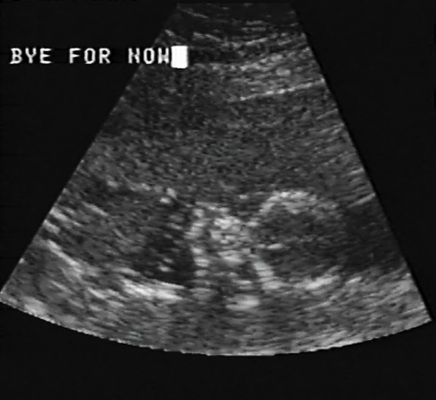
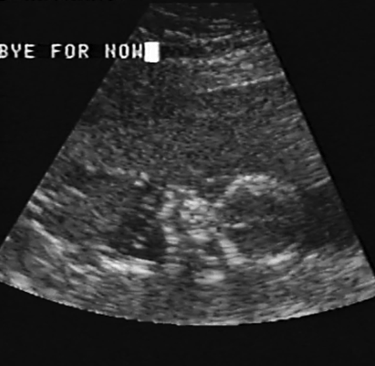
As I later reflected upon this feeble attempt at consolation, the muscles in my lower abdomen tightened involuntarily. There it was again—that old, familiar pain. The pain of broken dreams. The pain of unanswered questions. The pain of the awareness of absent children—children I would never get to see this side of heaven except in fuzzy, black-and-white ultrasound images.
Lying on a gurney with a gel-covered belly, I am in the nineteenth week of pregnancy with my third child. I glance over at my husband, Eric, who sits by my side, and as I prop up my head on my arm for a better view of the ultrasound screen, we prepare to get our first glimpse of Baby. White “snow” drifts against a black background, initially obscuring our view of anything remotely resembling a human being when suddenly, the bones of Baby’s face appear, and in the chest cavity just below, a tiny heart flutters. Soon afterward, two small hands begin to wave until a thumb manages to find its way into Baby’s mouth. The technician moves the ultrasound wand and takes measurements of Baby’s skull, heart, stomach, legs, and spine. Minutes later, we get another frontal view of Baby’s face, the jaw opening and closing as if mouthing an inaudible message. Gazing at the little face on the screen, I smile and turn my head to look at Eric, who grins in reply.
The technician taps her keyboard to freeze the frame and types across the screen, “Bye for now.” The screen goes black while the VCR below the monitor whirs, shooting its tape tray forward, and as the technician removes the videotape and hands it to me, she has no way of recognizing the precious gift she is presenting to my husband and me.
Although our bookcase shelves are lined with dozens of photo albums that chronicle the lives of our four children who were delivered full-term, that videotape contains the only images preserved of our third baby who would pass away in utero one week later.
Tears burned my eyes as scorching questions erupted from my mouth.
“‘The pain just gets easier to bear with time?’ Really? Are these the best words of condolence I have to offer a grieving mother?”
With a blinding flash, reality dawned upon me: I was still grieving the babies I had lost during my third and fourth pregnancies! Time had not made much of an impact on my sense of loss, for the pain was still there—maybe not as fresh and debilitating as at first, but when the waves of sorrow came, they were nearly as gut-wrenching decades later as they were the days they happened. How was this possible? Much like a cancer that I thought was in remission, grief recurred unbidden and unexpectedly again and again, eating away at my heart.
There has to be a better way of processing the deaths of my unborn children than this grit-my-teeth-and-suffer-through-the-heartache technique I’ve been using for nearly three decades, I told myself. I don’t just need to find a new method for grieving. I need to find God’s method for grieving—both for my own sake and for every other mother I encounter who is going through the heartache of the loss of a baby.